Table of Contents
- What Specialist Heritage Builders in Kent Do
- Listed Building Builders: Navigating Consent and Compliance
- Listed Building Consent: Understanding the Approval Process
- Traditional Materials and Methods: Lime Mortar Repointing and Beyond
- Heritage Builder Reviews and References: How to Verify Quality
- Selecting the Right Heritage Builder: What to Ask and What to Expect
- Heritage Building Restoration: From Survey to Completion
- Frequently Asked Questions
Last Updated: October 12, 2026
What Specialist Heritage Builders in Kent Do
Heritage builders Kent specialists combine traditional craftsmanship with deep knowledge of period properties, listed buildings, and conservation principles. These practitioners don't simply repair or renovate, they understand how centuries-old structures behave, what materials suit them, and how to preserve their character whilst meeting modern living standards.
The work spans sensitive restoration of Grade II-listed properties, barn conversions that respect original timber frames, careful repointing with lime mortar, and structural repairs that address hidden issues like dry rot or settlement. Many heritage builders also guide clients through listed building consent, heritage surveys, and planning requirements that govern work on protected properties.
At USFEW, heritage builders Kent approach centres on this philosophy: every building has a story, and your renovation should honour it rather than erase it. Whether you're facing crumbling masonry, timber frame damage, or simply need to understand what's hiding behind your walls, specialist heritage builders offer expertise that standard contractors cannot replicate.
Listed Building Builders: Navigating Consent and Compliance
Listed building consent is not optional, it's a legal requirement in the UK for most alterations to protected structures. Listed building builders understand this landscape intimately, which saves clients months of delays and thousands in rejected applications.
The consent process exists to protect architectural and historical significance. What many property owners don't realise is that consent requirements often extend beyond obvious changes. A new window, replacement roof tiles, or even interior alterations can trigger the need for approval. Listed building builders know which changes require consent and which don't, and they prepare applications that planning authorities actually approve first time.
Common pitfalls include submitting incomplete applications, using modern materials where traditional ones are required, or failing to demonstrate that proposed work respects the building's character. Experienced heritage builders have seen these rejections before and know exactly how to frame proposals to succeed.
Listed Building Consent: Understanding the Approval Process
Listed building consent is a formal approval process administered by your local planning authority (LPA). It protects the historic fabric of designated structures from unsuitable alteration or demolition.
What Requires Listed Building Consent
Most changes to a listed building require consent. This includes:
- Structural alterations, internal or external
- Replacement windows, doors, or shutters
- Roof repairs or replacement
- Rewiring or plumbing modifications
- Extensions or additions
- Removal or alteration of period features
- Changes to external appearance
- Demolition of any part of the structure
Some minor repairs using matching materials may be exempt, but it's safer to seek advice than assume exemption applies. Heritage builders review your plans against current guidance and advise whether consent is needed.
How the Application Process Actually Works
Applications are made to the LPA using the national 1APP form, accompanied by drawings, a heritage statement, and often a design and access statement. The LPA has eight weeks to determine most applications, though complex or contentious cases can run longer (Determining a planning application).
A heritage statement is not a formality. It must explain the significance of the building, the impact of the proposed works, and why the approach is justified.
Working with Conservation Officers
Conservation officers are the LPA specialists who assess applications. They are not adversaries, but they are rigorous.
Common Pitfalls and How to Avoid Them
The most frequent mistake is underestimating how long consent takes. Another is proposing modern solutions to period problems. Replacing original timber windows with uPVC, for instance, will be refused. Conservation officers expect traditional materials and methods.
A third pitfall is poor documentation. Vague drawings, missing heritage impact assessments, or failure to explain why your proposed approach respects the building's character all invite rejection.
Who Coordinates the Application?
On most heritage projects, the builder, architect, or a specialist heritage consultant coordinates the application.
Traditional Materials and Methods: Lime Mortar Repointing and Beyond
Period buildings were constructed with materials and techniques suited to their era. Lime mortar, timber frames, and handmade bricks behave differently from modern equivalents.
Why Lime Mortar Matters for Period Buildings
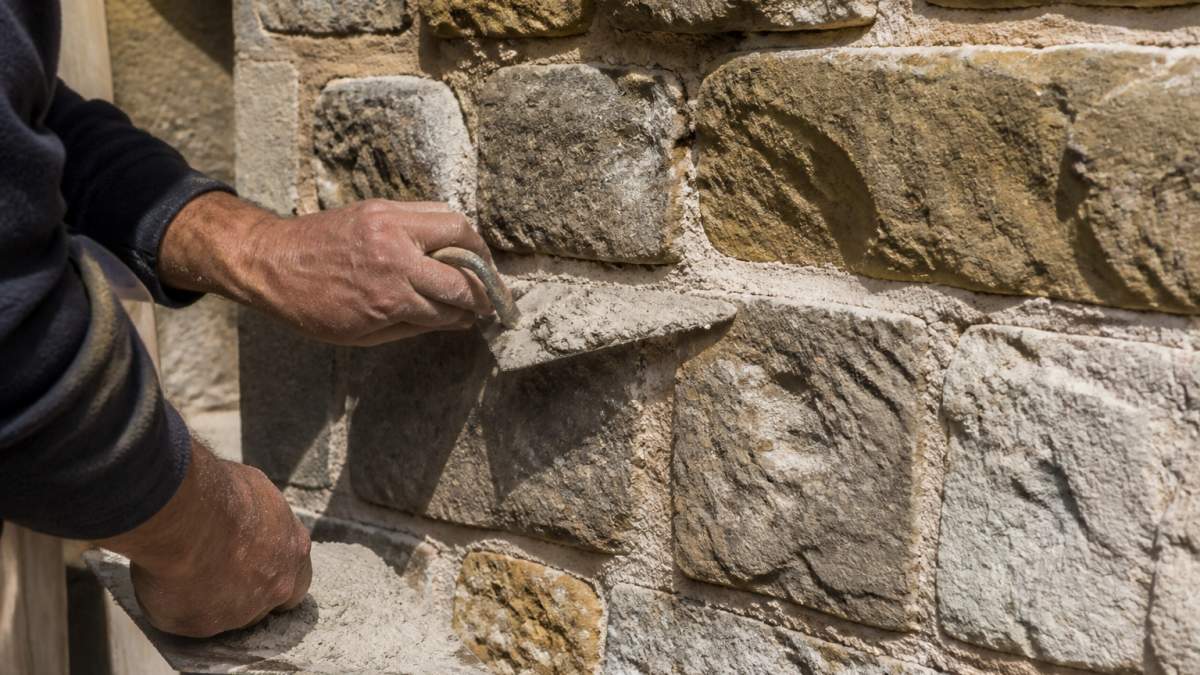
Lime mortar is softer and more flexible than modern cement (Lime). This flexibility allows the mortar to accommodate minor movement without cracking the masonry itself. Historic buildings settle and shift slightly over centuries; lime mortar absorbs this movement.
Lime mortar also breathes. It allows moisture to move through the wall, which is critical in older properties. Cement-based products trap moisture, leading to damp, salt damage, and accelerated decay.
Other Traditional Techniques: Timber Frames and Masonry
Timber frame repair requires understanding how green oak or elm moves and ages. Modern timber behaves differently; heritage specialists source period-appropriate timber and use joinery techniques that respect the original structure.
These techniques take longer and cost more than standard methods. The payoff is a building that remains true to its heritage, functions properly, and avoids the expensive problems that arise from shortcuts.
Heritage Builder Reviews and References: How to Verify Quality
Heritage work is a small, reputation-driven field, and the difference between a competent conservation builder and a general contractor with heritage marketing is significant. Use the checklist below to verify quality before you commit.
A Verification Checklist for Heritage Builders
- Conservation experience, not just construction experience. Ask how many listed building projects they have completed in the last three years, and on what building types (timber frame, stone, brick, flint).
- Accreditations and memberships. Relevant bodies include the Institute of Historic Building Conservation (IHBC), the Society for the Protection of Ancient Buildings (SPAB), and the Register of Accredited Conservationists. Membership is not a guarantee of quality, but it signals engagement with the sector.
- Insurance. Request current certificates for public liability, employer's liability (if they employ staff), and professional indemnity where they provide design or specification advice. Check the cover is appropriate to the value and risk of listed building work.
- References from comparable projects. Ask for two or three referees from listed building work, not general renovations, and actually call them.
- Site visits. Ask to view a completed project of a similar type. Seeing how a builder handled period features, masonry, timber, or structural repairs tells you more than any testimonial.
- Written method statements. A serious heritage builder will describe how they will approach repointing, timber repair, or damp treatment, and why.
Questions to Ask References
When you call a referee, go beyond 'were they good?'. Ask:
- Did the builder complete work on time, and if not, why?
- Were there unexpected issues, and how were they handled?
- Did the finished work match the brief and the consent?
- Did the conservation officer raise any concerns during or after the work?
- Would you hire the same builder again?
Red Flags
- Quotes that are unusually low compared with others for the same scope.
- Reluctance to provide references or insurance certificates.
- Proposals that rely on cement, uPVC, or modern sealants on historic fabric.
- No written method statement or specification.
- Pressure to start before consent is in place.
Why This Matters More Than Price
Heritage work is bespoke, and the cost of correcting poor work on a listed building, both financially and in terms of consent and enforcement risk, is far higher than the saving from choosing the cheapest quote. A structured verification process protects your building, your budget, and your relationship with the conservation officer.
Selecting the Right Heritage Builder: What to Ask and What to Expect
Choosing a heritage builder is not about finding the lowest quote.
Credentials and Insurance
Ask about relevant qualifications, professional memberships, and insurance. A heritage builder should carry public liability cover, and employer's liability if they employ staff. Request copies of current certificates.
Ask how many years they've worked on listed buildings and heritage properties specifically.
Project Scope and Timeline
Heritage projects rarely run to a simple schedule. Unforeseen issues, hidden rot, settlement, structural problems, often emerge once work begins.
Discuss how decisions will be made if problems arise. Will you be consulted before work proceeds? How will costs be adjusted?
Ask about the timeline for obtaining listed building consent, if needed. Factor this into your overall schedule. Many clients underestimate how long consent takes, leading to frustration.
Understanding Quotes and Cost Factors
Heritage work is bespoke. Quotes should reflect the specific challenges of your building. A detailed quote will break down labour, materials, specialist techniques, and contingency for unforeseen issues.
Be wary of quotes that seem unusually low. Heritage work requires skill, time, and often specialist materials that cost more than modern alternatives.
Ask what's included and what isn't. Does the quote cover listed building consent applications? Research into the building's history?
Heritage Building Restoration: From Survey to Completion
A thorough building survey is the foundation of any heritage restoration. It identifies structural issues, material condition, and hidden problems before work begins. This prevents costly surprises and allows accurate budgeting.
The Role of Building Surveys
A heritage-focused survey goes beyond a standard inspection. It examines the building's construction method, original materials, and how it has been altered over time.
For listed buildings, a survey often informs the heritage impact assessment required for listed building consent. It demonstrates that proposed work is necessary and appropriate.
Addressing Structural Repair and Hidden Issues
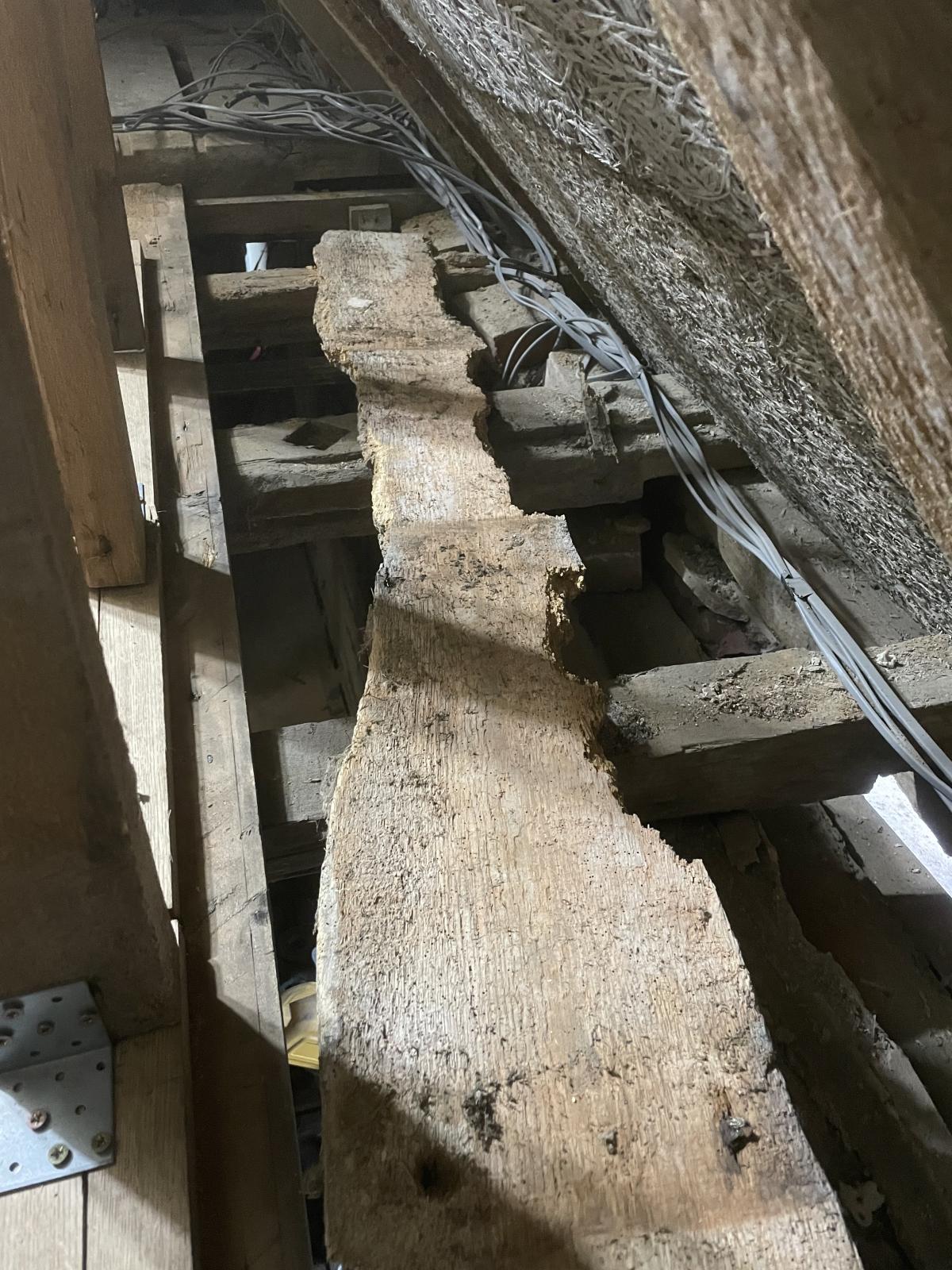
Structural problems in period buildings are often complex. Dry rot in timber frames, settlement cracks, or deteriorating mortar may require specialist intervention.
Dry rot, for instance, requires identifying the moisture source, removing affected timber, treating the area, and sourcing appropriate replacement timber.
Settlement cracks need careful assessment. Some are historic and stable; others indicate ongoing movement. A heritage builder knows the difference and recommends appropriate remedial work.
Hidden issues discovered during work, asbestos, undiscovered structural problems, or unexpected material changes, require prompt decision-making. A good heritage builder will present options, costs, and timelines so you can decide how to proceed.
Selecting a heritage builder requires looking beyond price to expertise, credentials, and a genuine commitment to your building's character.
Frequently Asked Questions
What qualifications should a specialist heritage builder have?
Look for builders with demonstrable experience in listed building work and relevant conservation qualifications. They should understand building regulations, listed building consent requirements, and traditional materials. Ask for references from previous heritage projects and evidence of any specialist training in period building techniques, lime mortar work, or timber frame repair. Membership in relevant professional bodies demonstrates commitment to ongoing standards.
Do I need listed building consent for repairs or alterations?
Most work on listed buildings requires listed building consent, even repairs and routine maintenance if they affect the building's character. Internal alterations, external changes, and material replacements typically need approval. Minor repairs using matching materials may not require consent, but it's safer to apply. Consent timelines vary, usually taking 8-12 weeks. An experienced heritage builder can advise whether your specific project needs consent and help prepare the application.
Why is lime mortar repointing essential for period buildings?
Lime mortar is softer and more flexible than modern cement, allowing traditional masonry to move and breathe without cracking. Cement mortar traps moisture and damages historic stone and brick. Proper lime mortar repointing preserves the building's fabric, prevents water ingress, and maintains authenticity. A heritage builder will match the original mortar composition and application technique, ensuring the work is sympathetic to the building's age and construction method.
How can I check a heritage builder's previous projects?
Request a portfolio of completed projects with photographs showing before-and-after results. Ask for references from recent clients willing to discuss their experience and project outcomes. Many heritage builders can arrange site visits to see finished work firsthand. Check for case studies or project examples on their website, and ask specifically about projects similar in scope and building type to yours. Visiting completed work gives you confidence in quality and approach.
Frequently asked questions
← All articles