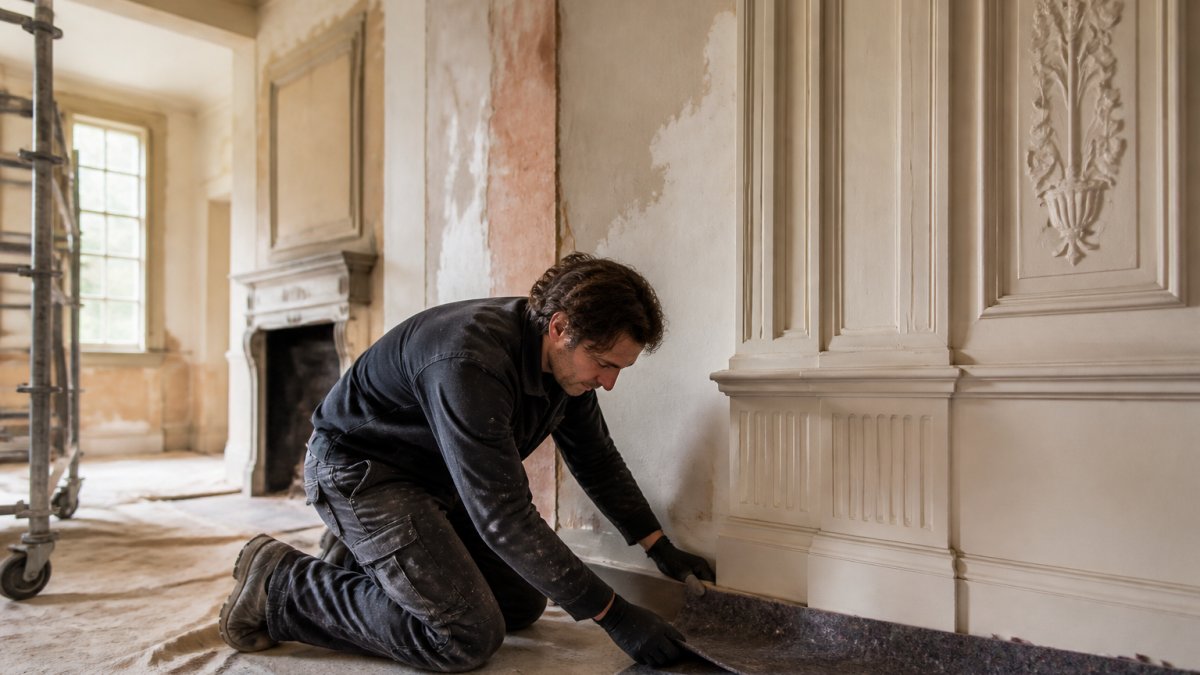
Table of Contents
- Why Heritage Property Renovation Demands a Different Approach
- Understanding Listed Building Renovation Consent
- Preserving Original Features in a Period Home
- Heritage Renovation Planning Checklist
- Heritage Property Renovation Mistakes to Avoid
- Finding a Builder Who Understands Heritage Property Renovation
- Conclusion: Protecting Heritage Property for the Long Term
- Frequently Asked Questions
Last Updated: October 8, 2026
Why Heritage Property Renovation Demands a Different Approach
Protecting heritage property during home renovation means working with the building, not against it. Old buildings behave differently from modern ones. They move, breathe, and hold moisture in ways that modern materials cannot handle.
At USFEW, we understand that the wrong material causes more damage than the weather ever will.
Take a walk through any older property and you will spot the pattern. Cement render traps damp inside solid brick walls. Modern gypsum plaster cracks when old timber shifts. Plastic paint seals in moisture that lime once let escape.
This guide explains how to protect a period property through a renovation. We cover consent, materials, planning, and how to choose a builder who understands old buildings.
Understanding Listed Building Renovation Consent
Listed building renovation consent is the formal approval you need before making most changes to a listed property. It is separate from planning permission, and you often need both.
In England, listed building consent is handled by your local planning authority. The rules are strict because they protect the building's special interest, inside and out. Even small changes can need approval.
When You Need Consent and When You Don't
You almost always need consent for work that affects the building's character. That includes:
- Replacing windows, doors, or roof coverings
- Removing or altering internal walls and staircases
- Changing fireplaces, cornices, or other period features
- Adding extensions, dormers, or external flues
You may not need consent for simple, reversible work. Examples include repainting in a matching colour or routine repairs that use the same materials. Always check with your local authority before you start. Getting this wrong is expensive and slow to fix.
For official guidance, see the Historic England listing and consent guidance.
Preserving Original Features in a Period Home
Preserving original features in a period home protects both its value and its character. Original windows, doors, and joinery are often made from old-growth timber that you cannot buy today.
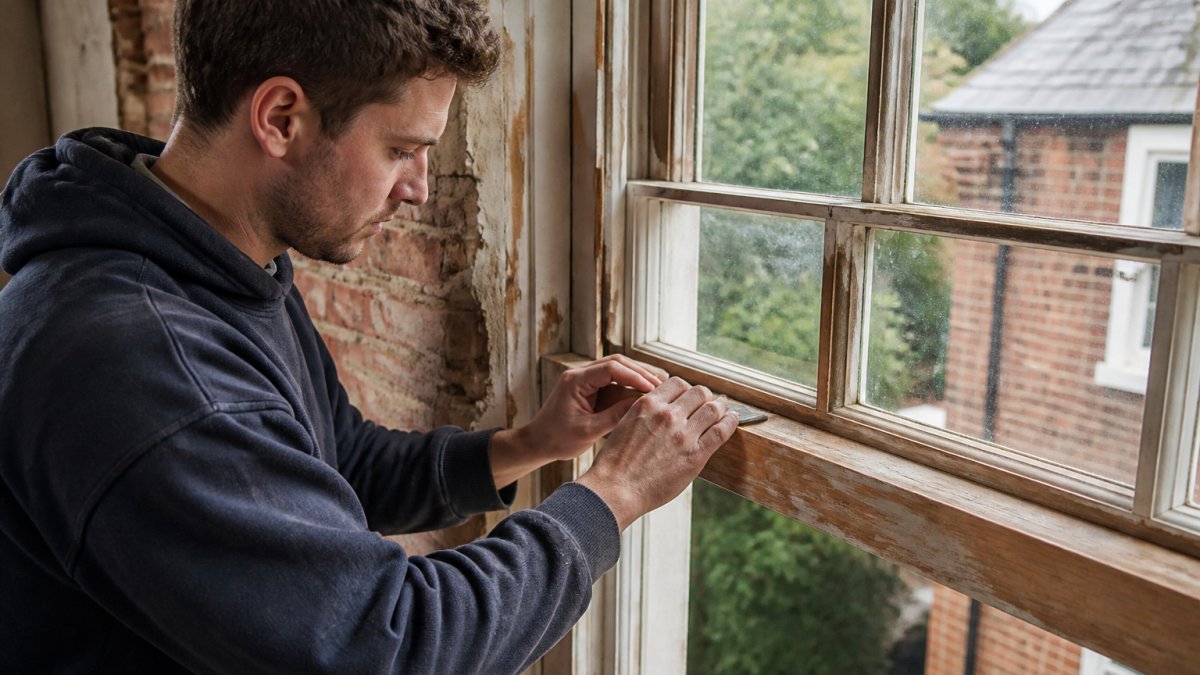
Repair usually beats replacement. A window with rot in one sill can be spliced with matching timber. The same goes for damaged floorboards, skirting, and cornices.
The Materials That Keep Period Fabric Alive
Traditional buildings were built to manage moisture. They need materials that behave the same way.
| Material | Use It For | Avoid |
|---|---|---|
| Lime mortar | Pointing, rendering, plaster | Cement mixes |
| Lime plaster | Internal walls and ceilings | Gypsum on solid walls |
| Breathable paint | Exterior and interior walls | Plastic or vinyl paint |
| Traditional timber | Frames, doors, joinery | Untreated softwood |
| Natural slate or clay | Roof coverings | Concrete tiles |
Heritage Renovation Planning Checklist
A heritage renovation planning checklist keeps a complex project on track. Work through it in order, and you avoid the delays that catch most owners out.
Before you start:
- Check your property's listing grade and what it covers
- Confirm whether you need listed building consent and planning permission
- Commission a condition survey from someone who knows period buildings
- Photograph and record original features before any work begins
- Agree a realistic budget with a contingency for hidden problems
During the work:
- Store salvaged materials safely for reuse
- Keep a written record of every change and approval
- Check materials match the originals before installation
- Pause and reassess if you uncover rot, damp, or structural issues
After completion:
- Keep consent documents and drawings for future sales
- Note any repairs for your maintenance schedule
Heritage Property Renovation Mistakes to Avoid
Heritage property renovation mistakes usually come from good intentions and the wrong materials. Here are the ones we see most often.
Sealing walls with cement or plastic paint. This traps moisture and slowly damages the brickwork behind it.
Ripping out features that could be saved. Original staircases, doors, and fireplaces are hard to replace and add real value.
Starting work before consent is granted. This can lead to enforcement action and forced reversal of the work.
Hiring on price alone. A cheaper quote often means modern methods on an old building. That costs more later.
Skipping the survey. A proper survey reveals rot, damp, and structural issues before they become emergencies.
Finding a Builder Who Understands Heritage Property Renovation
Finding a builder who understands heritage property renovation is the decision that shapes everything else. Skill matters, but so does attitude.
Look for a team that surveys before quoting. They should research the building's history and understand how it was originally built. Ask about their experience with lime work, timber frames, and masonry.
The right builder will also help with consent paperwork. Poorly prepared applications cause delays and rejected plans. At USFEW, our team handles surveying, research, and heritage consent guidance as part of the service.
Check references from other listed projects and, where possible, visit one. A builder who works on old buildings will be happy to show you their work.
Conclusion: Protecting Heritage Property for the Long Term
Protecting heritage property during home renovation is a long-term commitment, not a quick fix. The choices you make now decide whether the building survives well for another century.
Get the consent right, use breathable materials, and work with craftspeople who respect old fabric. That is how you protect both the building and its value.
Frequently Asked Questions
Do you need consent to alter a listed building?
Yes, in most cases. Listed building consent is required for any works that affect the character of a listed building as a building of special architectural or historic interest. This includes internal and external alterations, demolitions, and some repairs. You must apply to your local planning authority before starting work. Carrying out unauthorised works is a criminal offence and can result in fines or a requirement to undo the changes. Always confirm with your local authority before proceeding.
How do you protect original features during a home renovation?
Protection starts with a detailed survey and photographic record before any work begins. Cover and shield original features like staircases, fireplaces, cornices, and timber beams during the build. Use traditional materials such as lime mortar and breathable paints for repairs rather than cement or modern sealants, which trap moisture and damage period fabric. Where possible, repair rather than replace. If a feature must be removed temporarily, label and store it carefully so it can be reinstated accurately.
What are common mistakes to avoid when renovating a period property?
The most damaging mistakes include using cement-based mortars on historic masonry, which traps moisture and causes long-term decay, and installing modern impermeable materials that prevent old walls from breathing. Other frequent errors are starting work without listed building consent, failing to record original features before removal, and choosing a builder without heritage experience. Each of these can lead to enforcement action, expensive remedial work, or permanent loss of the building's historic character.
How do you find a builder experienced in heritage property renovation?
Look for a builder with a proven track record on listed or period buildings. Ask to see completed projects you can visit, and check references from owners of similar properties. A good heritage builder will understand traditional techniques like lime work, timber framing, and breathable materials. They should also be comfortable guiding you through listed building consent and liaising with conservation officers. Ask about their process for handling unexpected discoveries, such as dry rot or hidden structural issues, and how they manage cost overruns.
Renovating a listed or period property brings real challenges, from consent paperwork to hidden rot in old timber. USFEW brings together skilled craftspeople who specialise in sensitive restoration, traditional lime and timber techniques, and heritage consent guidance. We survey, research, and restore with care, so your property keeps its character while working for how you live today. Start a conversation with USFEW about your heritage renovation.
Frequently asked questions
← All articles